HFI strengthens nutrition in Malinao, Aklan through home gardening.
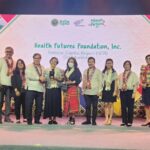
According to the 2023 National Nutrition Survey (NNS), stunting continues to affect 2 in every 10 (23.6%) children under five years old, while wasting remains a concern at 5.6%. Two (2) in every 10 (15.1%) children are underweight. These figures show a pressing need for nutrition intervention to support vulnerable families, particularly the mothers and young children. To respond, the Health Futures Foundation, Inc. (HFI), in partnership with Glenmark Philippines, launched last March 2025 a project, “Food Supplementation and Capacity Building for Improved Nutrition in Malinao, Aklan.” This initiative focuses on children aged 6-24 months, as well as pregnant and lactating mothers, recognizing that the First 1,000 days are a critical window for optimal growth, development, and long-term health of a child.
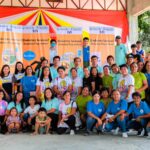
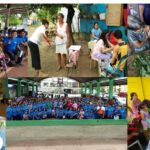
A key component of this project is a nutrition garden to provide families with a fresh source of supplementary nutritious food. In June 2025, HFI Community Mobilizer, Ms. Joan Y. Malibago, led a nutrition garden training across 23 barangays in Malinao, Aklan. This activity aims to support mothers and children in the First 1,000 days by providing access to fresh, nutritious food through a home-based nutrition garden.
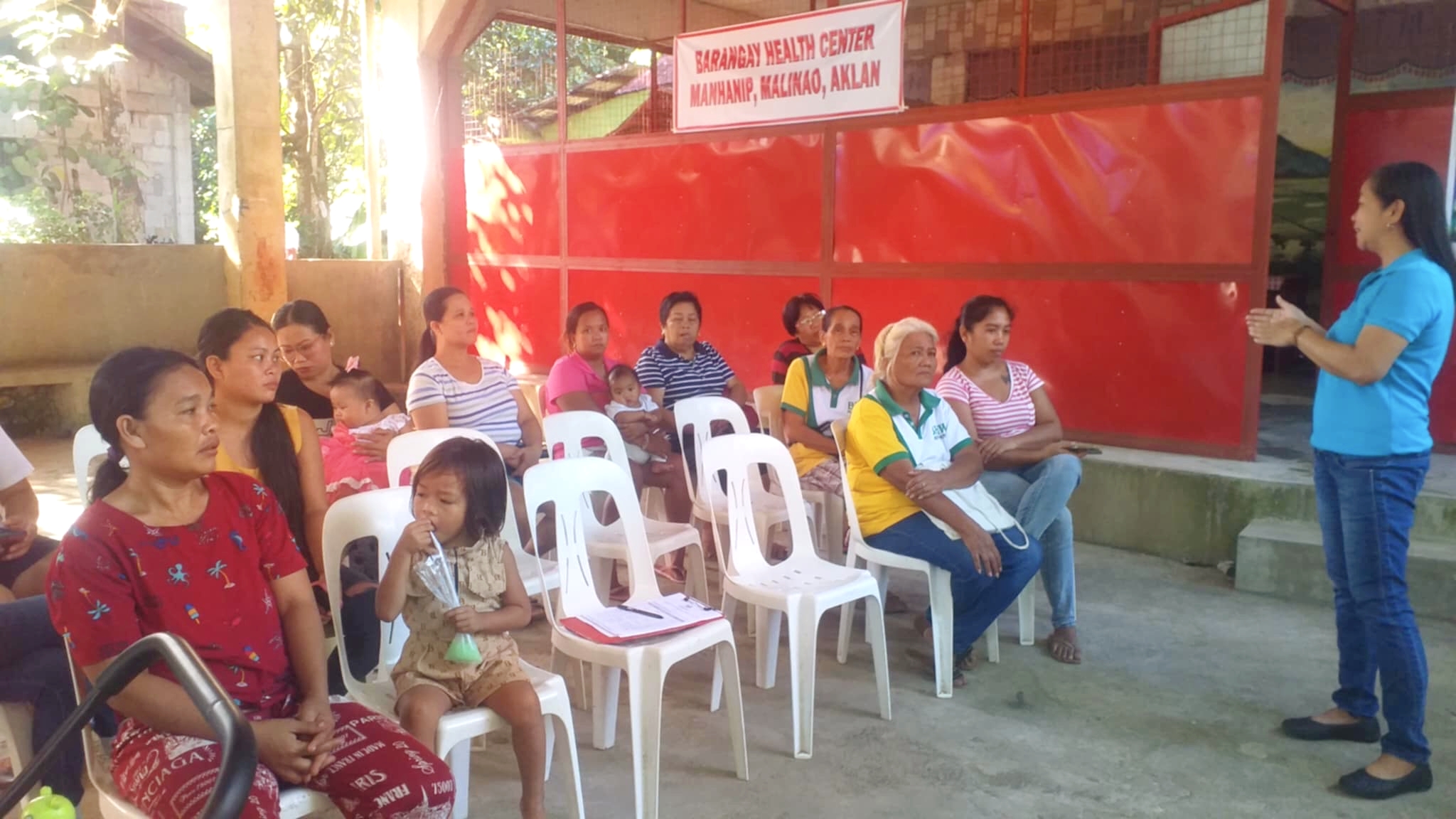
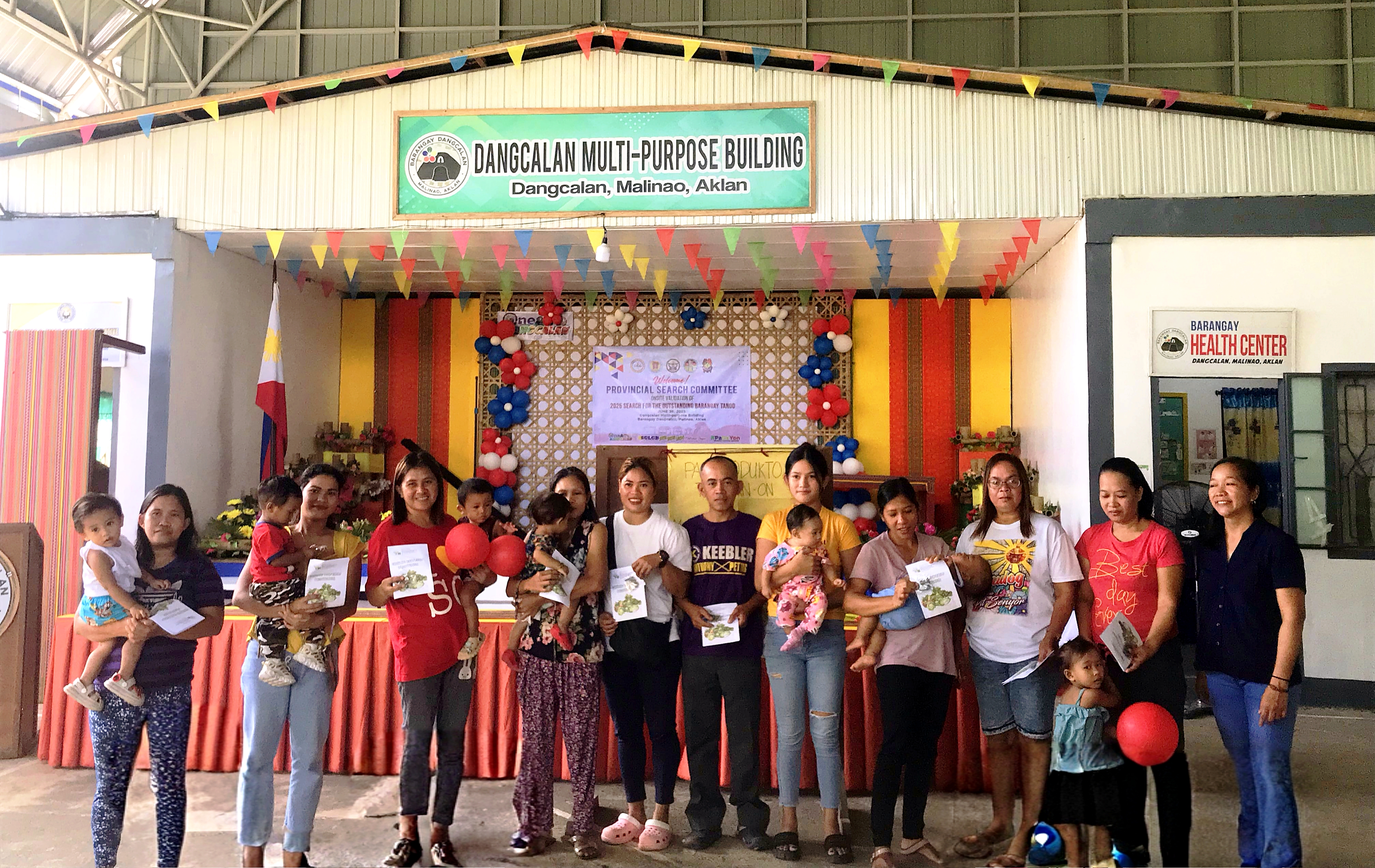
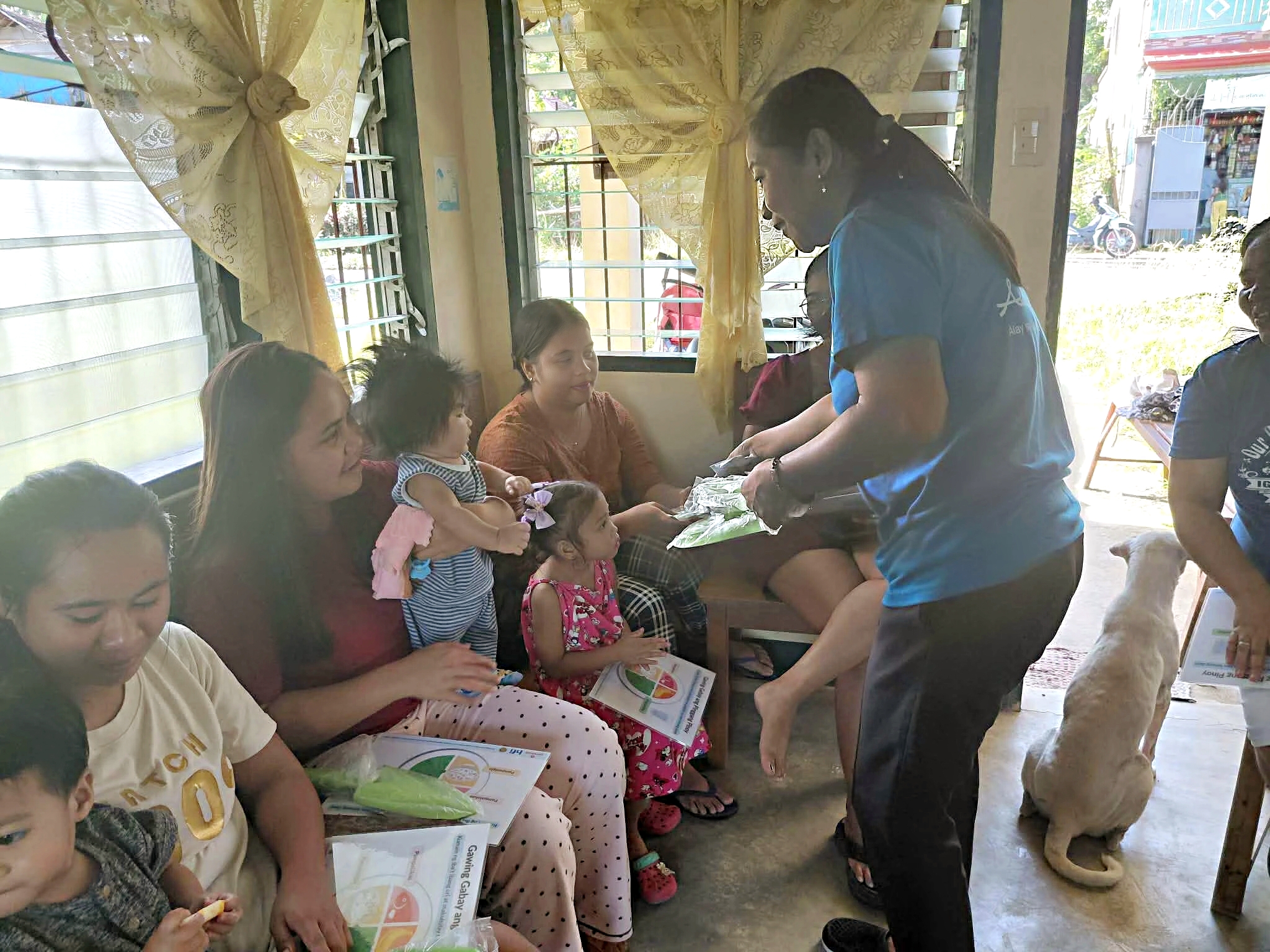
During the training, parents and caregivers who attended the lecture learned basic gardening techniques and how to use crops after harvest, and the value of incorporating vegetables into their daily meals. To further enhance their learning, participants were also given informational pamphlets and vegetable seeds to help them start their own nutrition garden, whether in their backyards, small plots, or any available space.
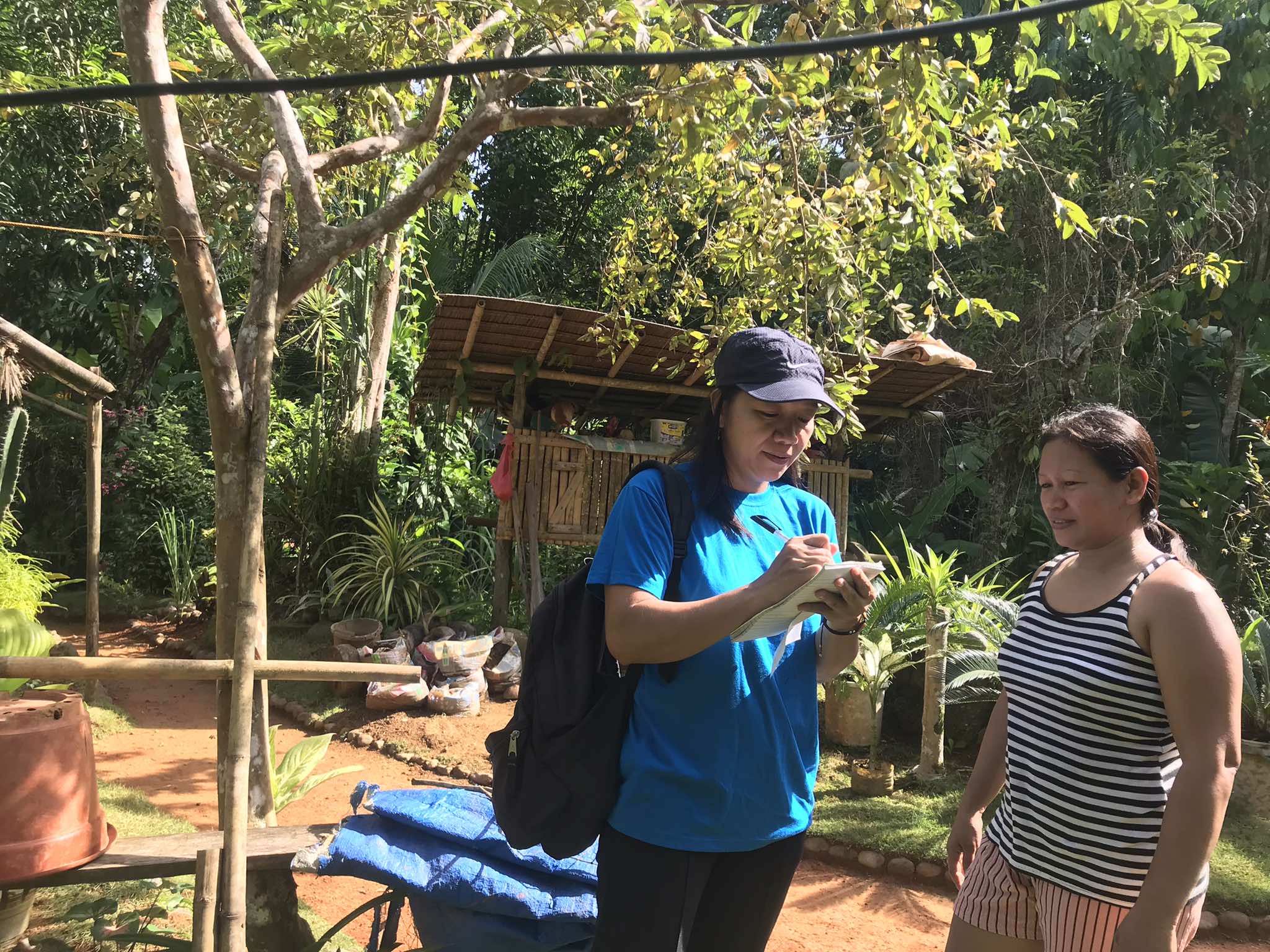
To ensure sustainability, the HFI Community Mobilizer conducts regular follow-up garden monitoring. These help families maintain their gardens properly, address challenges early, and reinforce best practices. Beyond technical guidance, the HFI mobilizer encourages families to remain motivated and continue maintaining their garden.
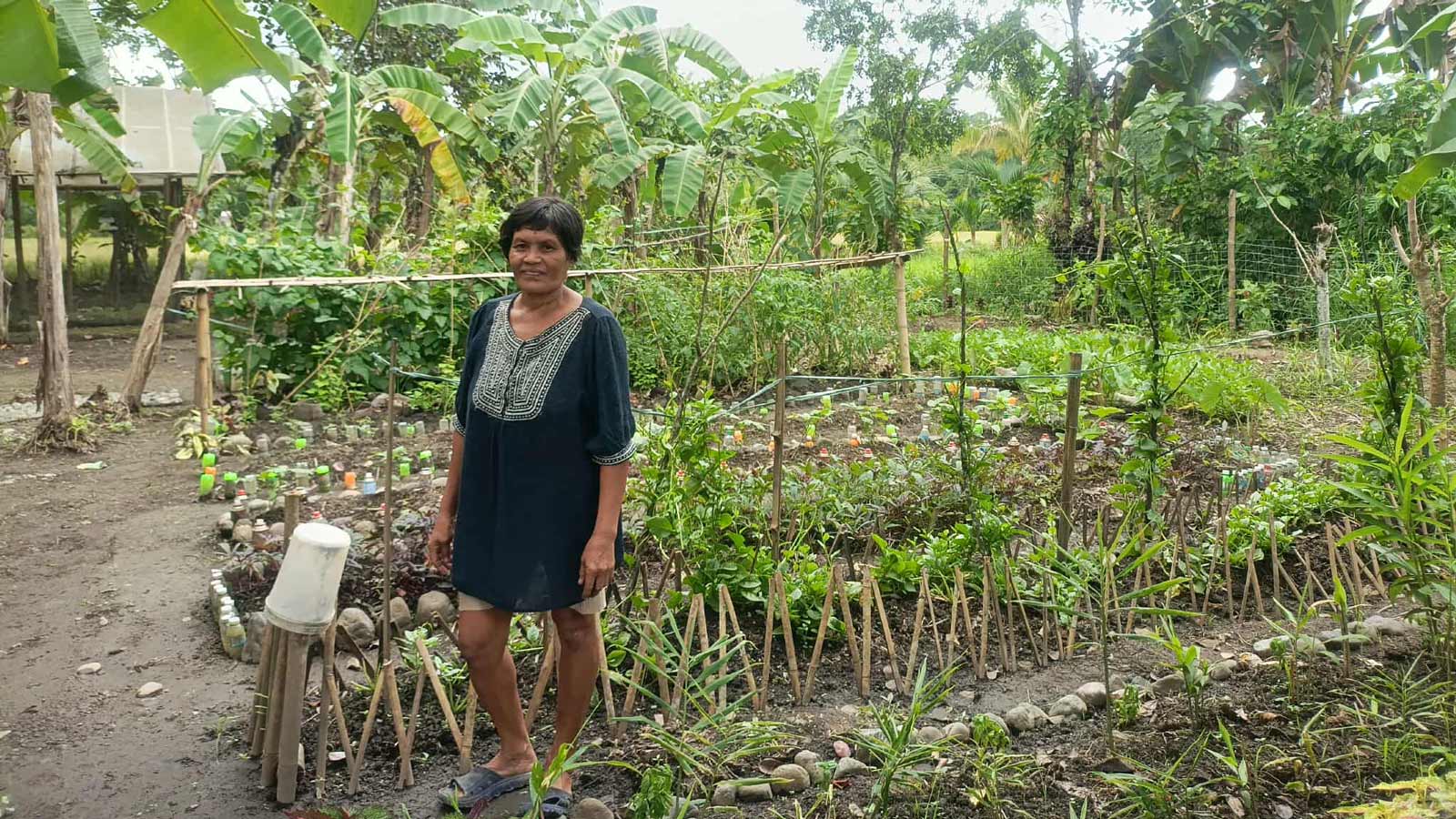
Six months after the training, 327 nutrition gardens were established across the barangays. Most households have already harvested vegetables and used them in home-cooked meals, which improves food availability and family nutrition.
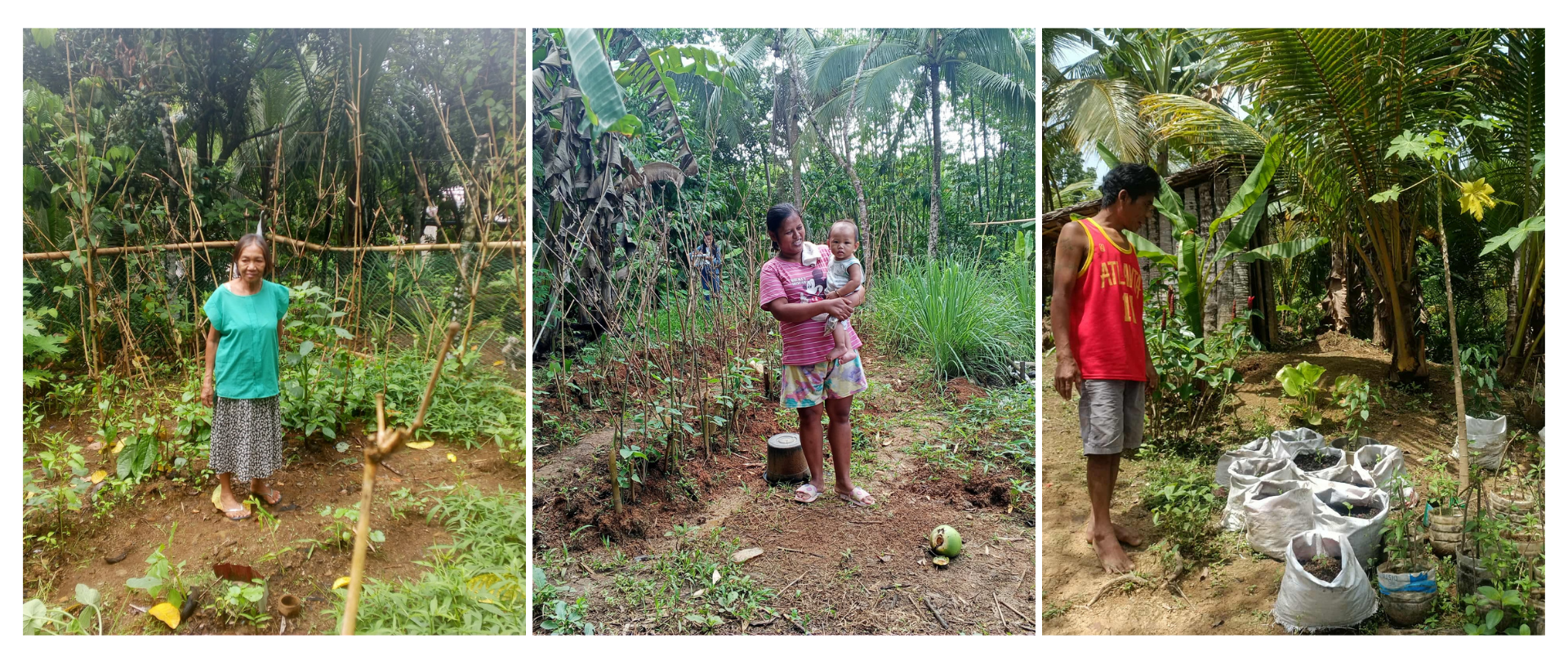
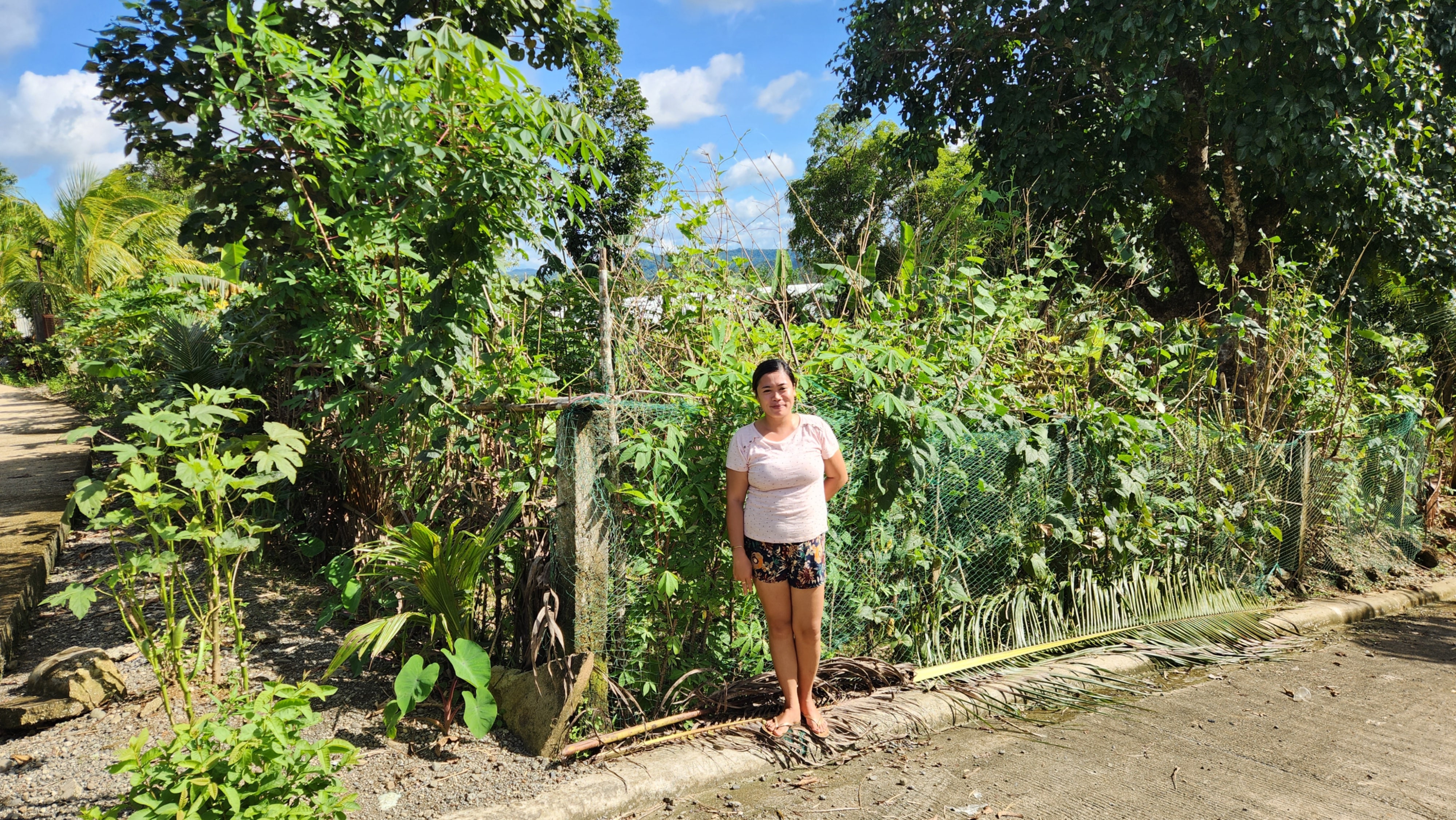
During a garden visit, a mother from Barangay Bulabud proudly shared her commitment to tending her garden. She expressed joy in seeing her children enjoy the meals prepared from the vegetables she grew. “Yes [nakapag-harvest na], nakailang harvest na po ako siguro sa isang linggo, tatlo akong beses mag-harvest nung okra, sitaw, ganon […] napapakain naman po [ng gulay] lalo na yung sinabawan gulay assorted po ma’am. Halimbawa, kukuha ko ng okra, tas lagyan ko ng sitaw, tapos sibuyas, tapos okay na, yun lang. Ready to eat na si Wendy.” (Yes, I have already harvested. I think I harvest about three times a week—okra, string beans, and other vegetables. I’m able to feed [the vegetables], especially when I cook them as an assorted vegetable soup, Ma’am. For example, I pick some okra, then add string beans and onions, and that’s it. Wendy is ready to eat.) For her, the nutrition garden was not only a source of food but also a meaningful way to nurture her family’s health.
Expanding on this progress, a second batch of beneficiaries was trained in January 2026 by the HFI Community Mobilizer. During the training, skills reinforcement was provided to those with existing gardens and to new families who attended. Additional Information, Education, and Communication (IEC) materials, including the Healthy Filipino Plate, were distributed to emphasize balanced meals and diet diversity. To further encourage sustainability and the establishment of gardens, each beneficiary was provided a garden trowel as a practical tool and a symbolic incentive for their commitment to nurturing their family’s health through gardening.
As of March 2026, a total of 479 gardens have been established, providing households with fresh, sustainable food. Every nutrition garden established is an active step towards a healthier and more food-secure family and community. These numbers are just the beginning of each garden as seeds of hope for a more resilient and food-secure Malinao!
_____
Written by: Patrizia Elise P. Kahanding, RND, LPT