In the mountainous terrain of Malinao, Aklan, voices of hope and joy now echo across the twenty-three barangays. What began as a challenge for the families became a journey toward improved nutritional status and strengthened food security in every household.
Health Futures Foundation, Inc. (HFI), in partnership with Glenmark Philippines, has achieved this shift toward healthier households in support of the multifaceted project “Food Supplementation and Capacity Building for Improved Nutrition in Malinao, Aklan,” which aims to ensure the care for pregnant and lactating women and their children from the start of pregnancy to the child’s first five years of life.
The priority of this project is to provide supplementary feeding to children aged 6-24 months, as well as extend support to pregnant and lactating women. It is grounded in the understanding that a child’s development begins in the womb. The initiative places strong emphasis on early and sustained nutritional support during the first 1,000 days of a child’s life.
Nutritional Support for Mothers and Children
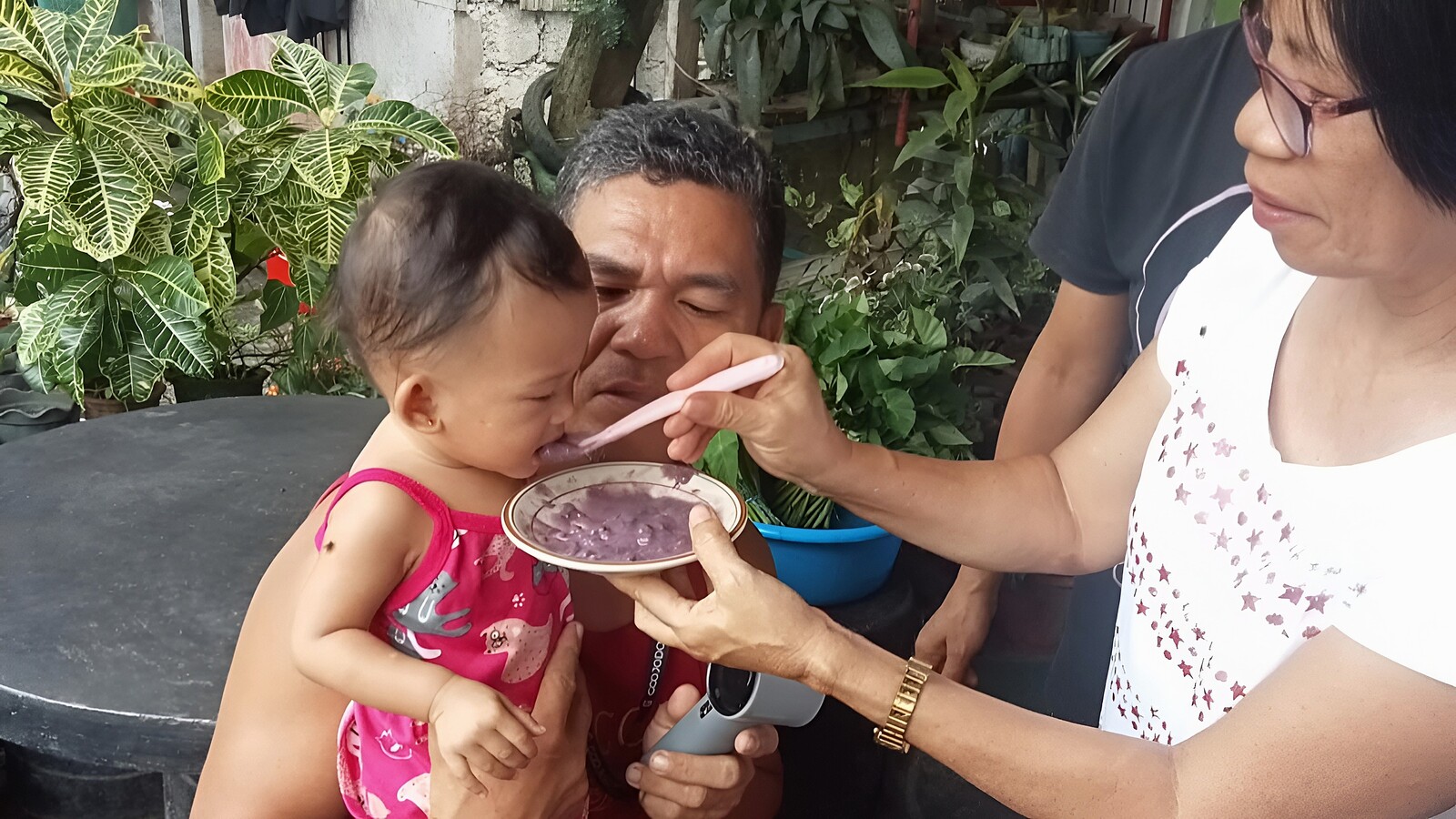
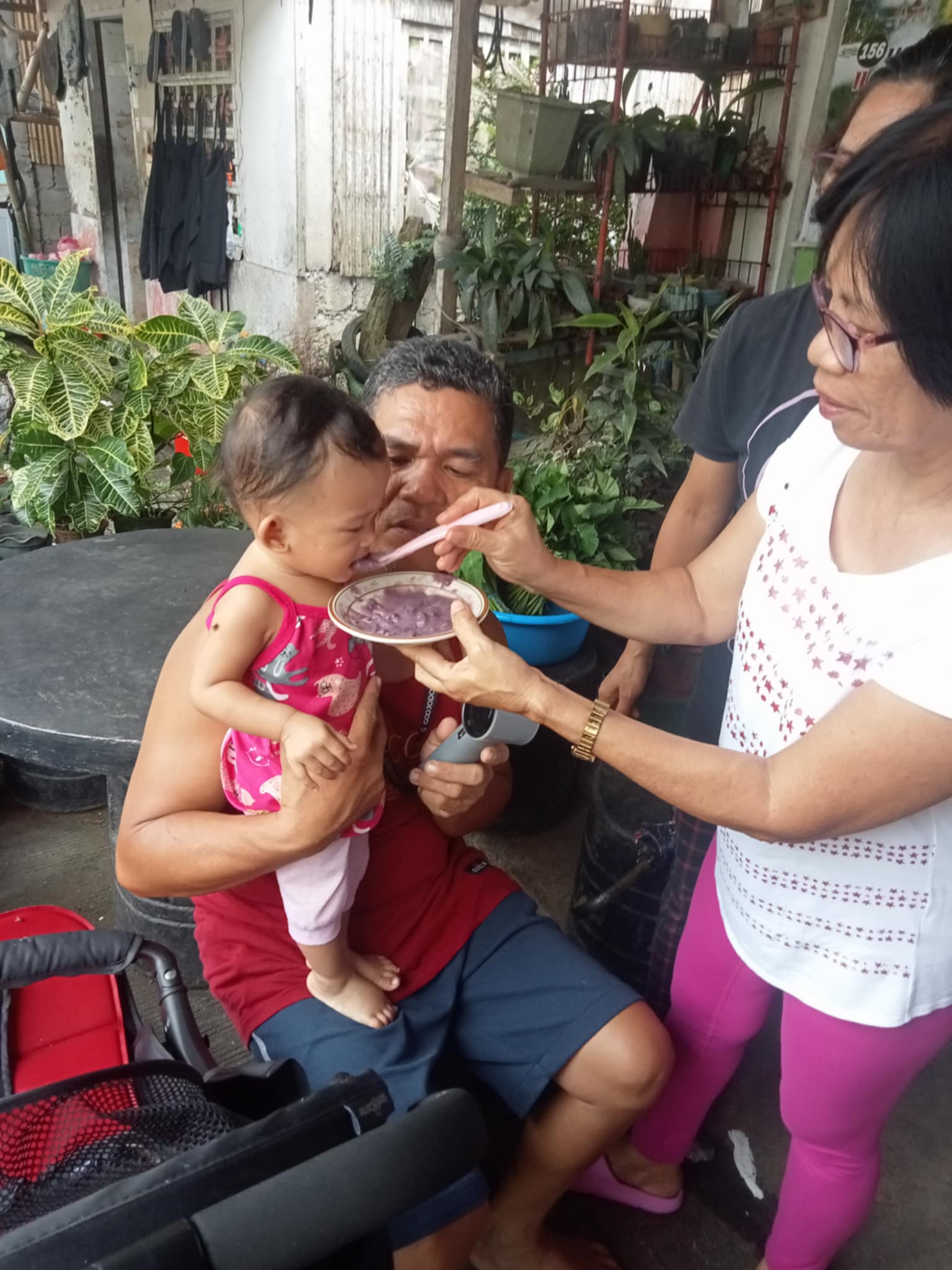
Despite Malinao’s abundance of natural resources, food security remains an issue for many households due to economic constraints and high transportation costs. To address this, the Barangay Nutrition Scholars identified undernourished children across the twenty-three (23) barangays of Malinao. Three hundred and thirteen (313) children were provided with Mingo, a nutrient-rich complementary food made from mung beans, rice, and malunggay, designed to support weight gain and improved nutritional status.
A mother from Barangay San Roque shared her child’s visible improvements from the program, to which both of her children were part of the supplementation.
“Siya [Anak ko] ay kulang sa timbang at saka stunted bago siya mapasama sa programa. Yung 4 years old ko po, parang tumangkad siya nang kaunti, tapos yung 1 year old ko po ay bumigat po ang kanyang timbang.” (Before joining the program, my child was underweight and stunted. After some time, I noticed improvements—my four-year-old grew a little taller, and my one-year-old gained weight.)
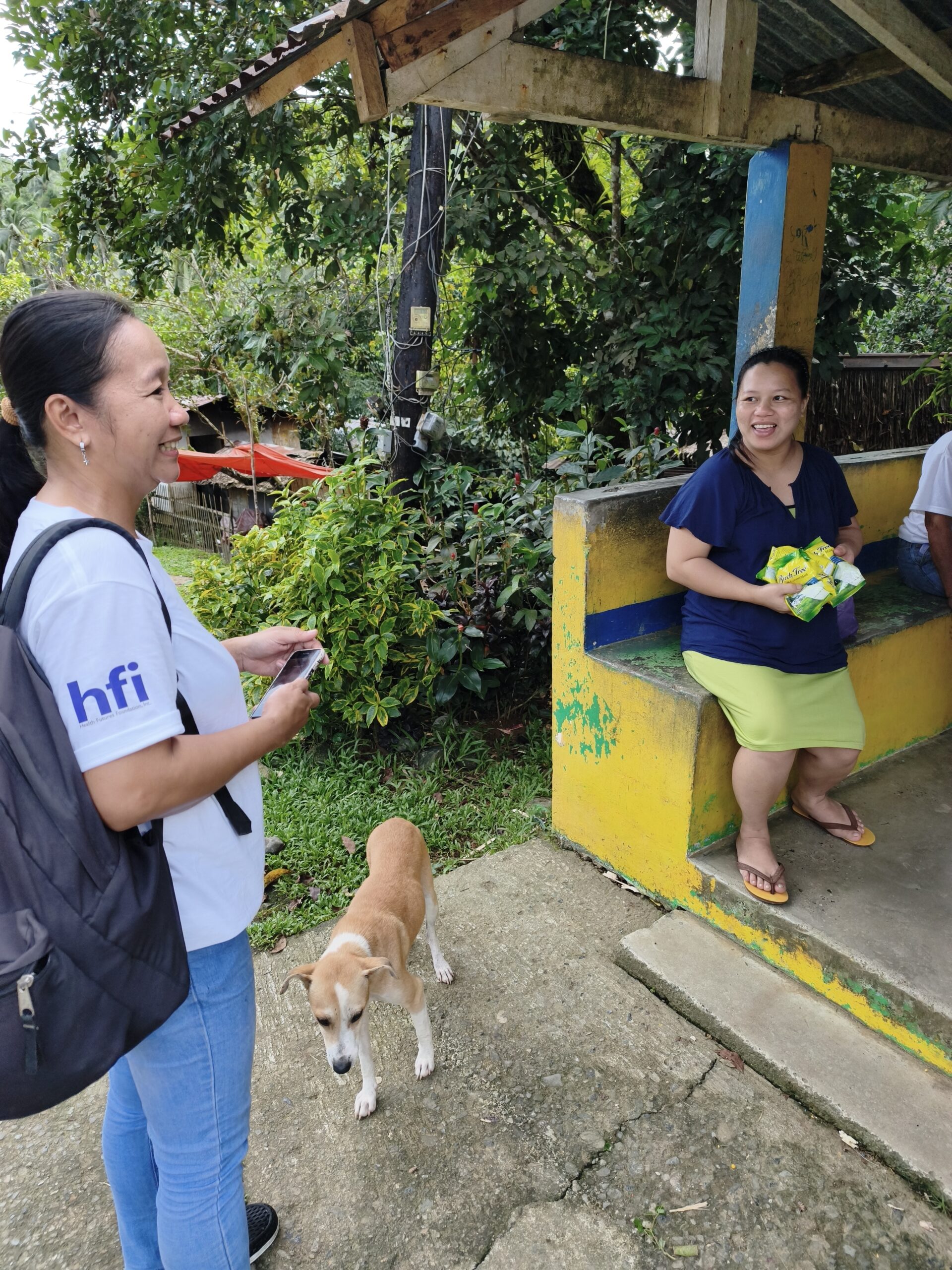
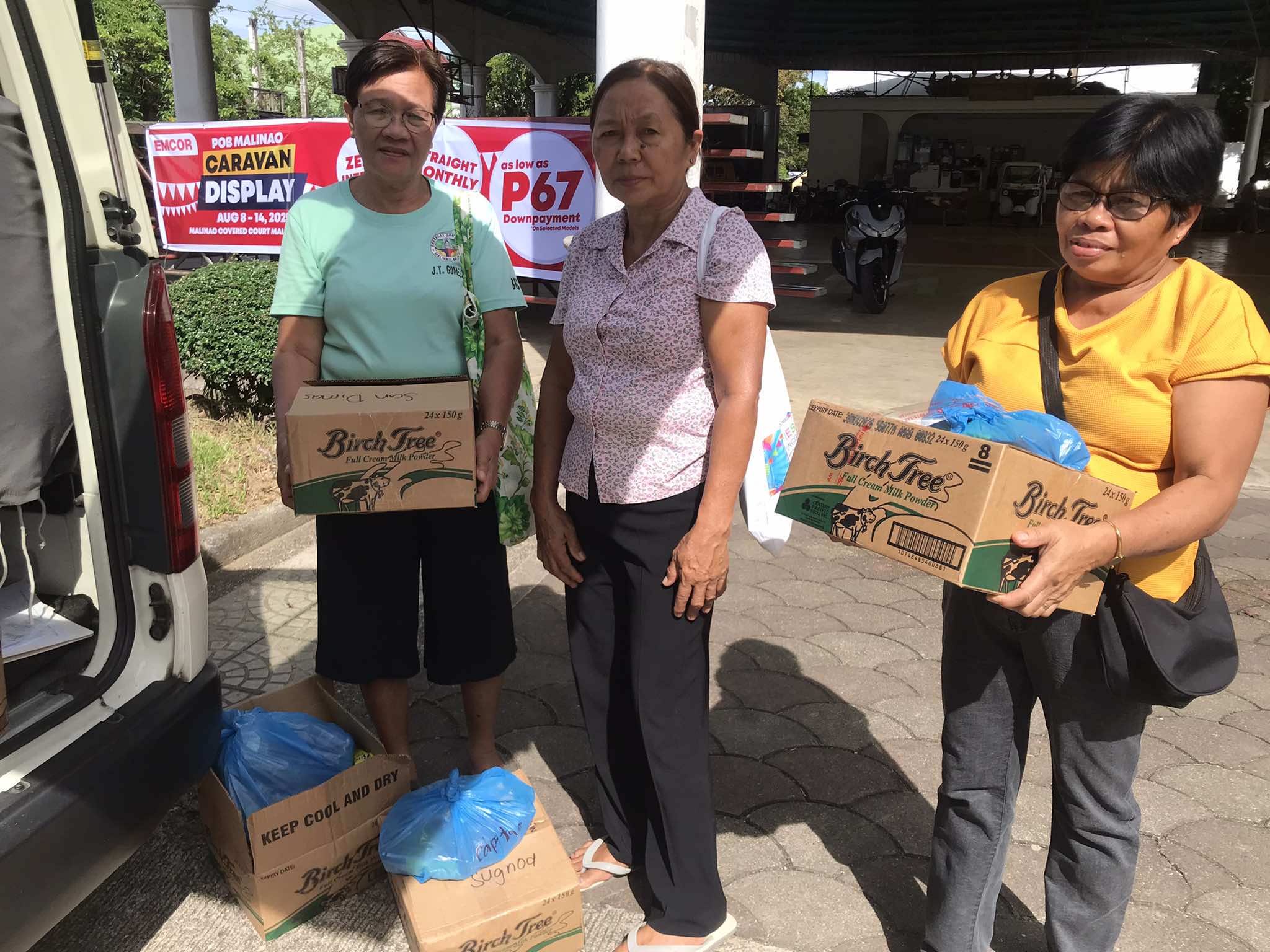
At the same time, 229 pregnant and lactating women received milk supplementation to ensure their increased nutritional requirements during maternal and child development.
One (1) pregnant mother from Barangay Cogon shared, “Naging maganda ang epekto nito sa kalusugan ko kasi naging malusog ang baby ko at ako, at nakatulong din ito upang maging normal ang delivery ng paglabas niya. Naging mabuti ang timbang nya at naging normal sya sa lahat.” (The program had a positive impact on my health, as both my baby and I became healthier. It also contributed to a safe and normal delivery. My baby was born with a healthy weight and has developed normally.)
From Food Support to Nutrition Gardening
These efforts were complemented by the nutrition garden component, which encourages and guides households in establishing their own backyard gardens. Families were taught how to grow and maintain vegetables at home, providing easy access to produce. Seeds and planting tools were provided to help families start their gardens. The initiative not only addresses immediate nutritional gaps but also empowers them to sustain healthier food practices within their households long after the supplementation period ends.
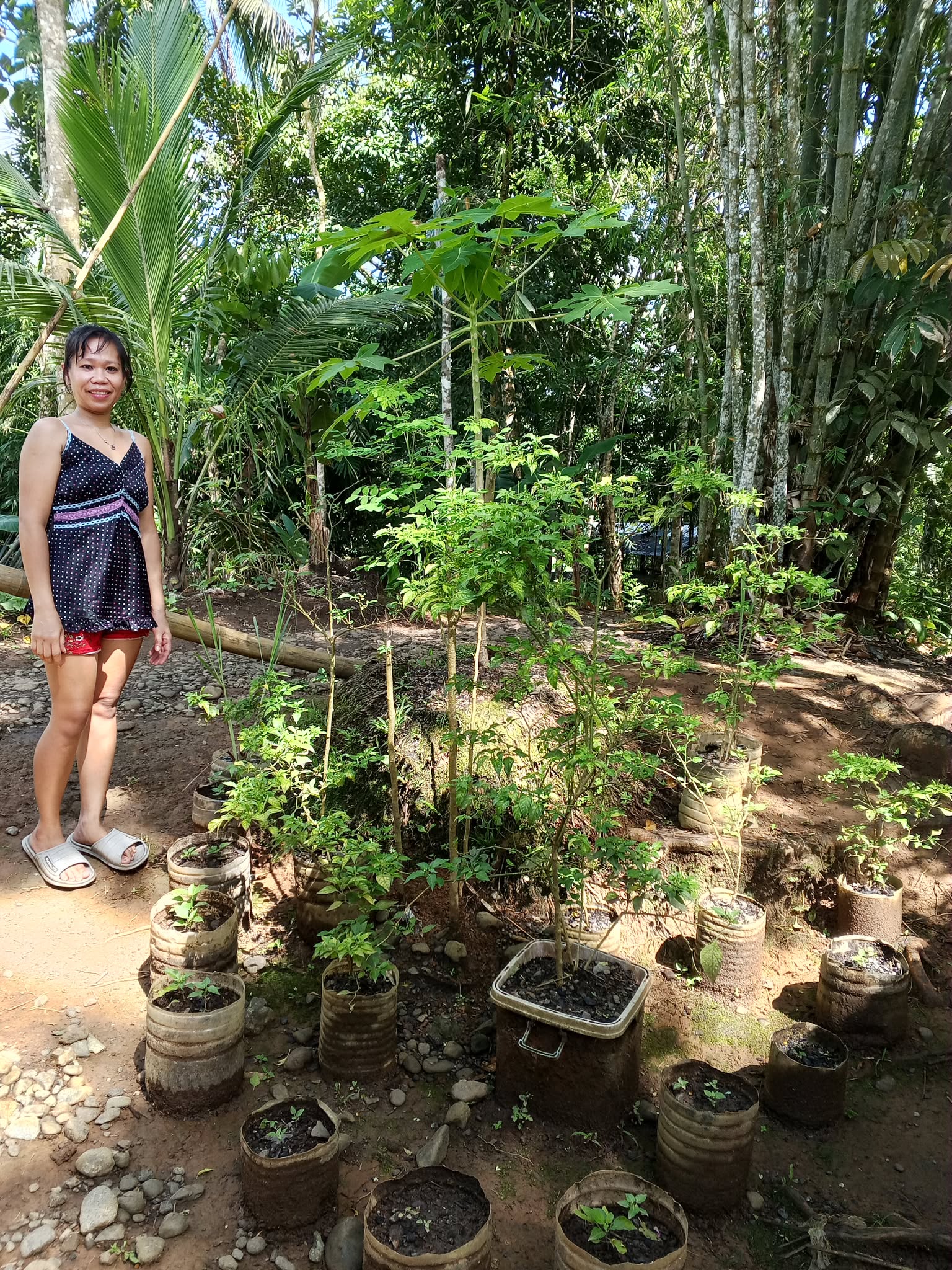
Six months later, 327 nutrition gardens were established (71.08% of the target established gardens) across the barangays.
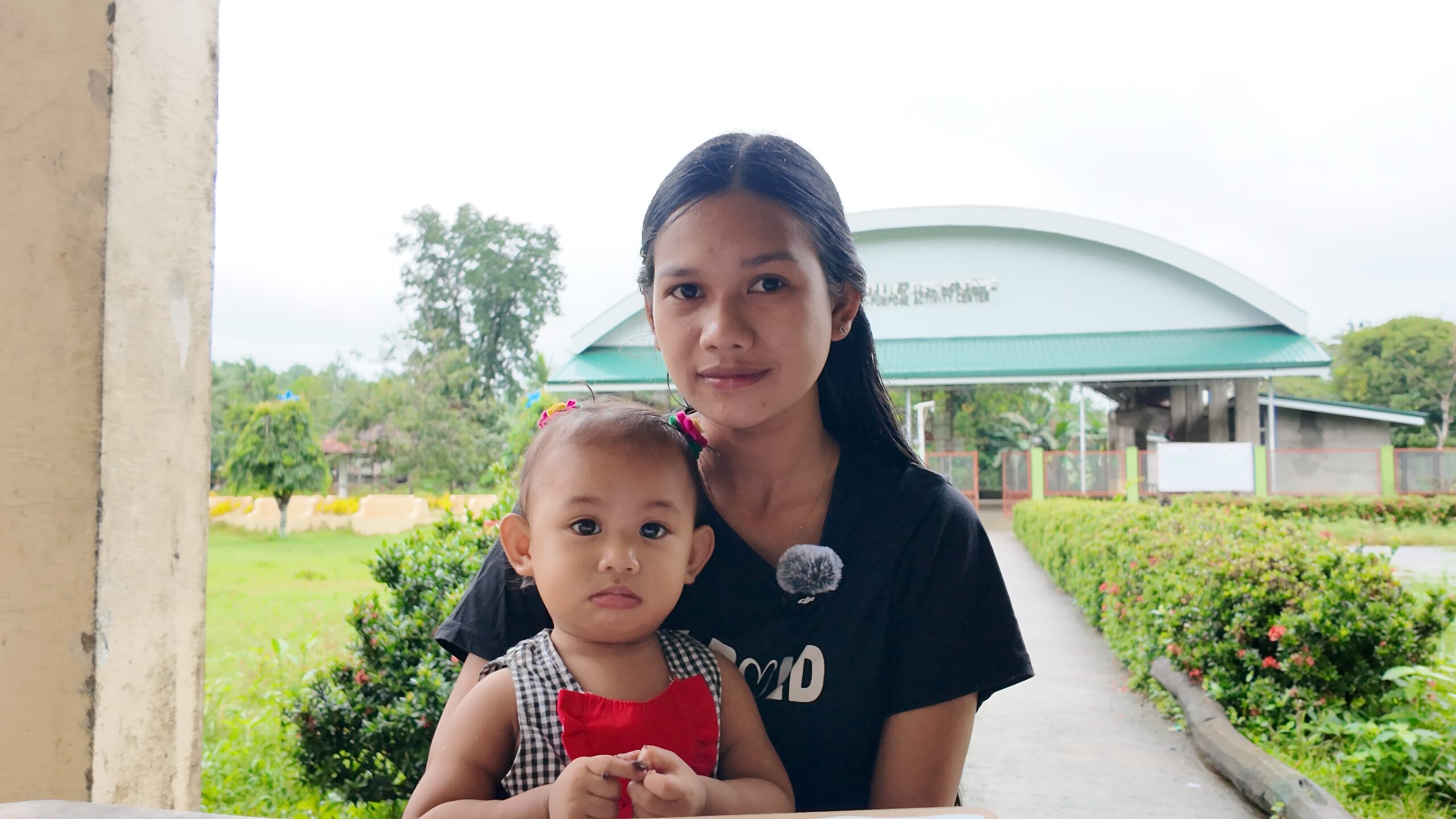
A mother from Barangay San Roque shared, “Meron po ako ngayong okra at saka sitaw [na tanim]. Namumunga na po sila. Nakapag-harvest na po ako at gusto po iyon ng 1-year-old ko. Kumain naman po ng sitaw.” (I now have okra and string beans planted at home. They are already bearing vegetables, and I have been able to harvest from them. My one-year-old likes them and was able to eat the string beans.)
Another mother shared, “Natanggap [ko] po yung mga seeds. Nakatanim na po ako ng okra, radish, at sitaw. Tapos po, nung namunga naman po siya. Nakaharvest kami. […] Malaking tulong po iyon. Yung anak ko po, tumaas na po yung timbang niya. Tapos, nakakain na siya ng marami. Yung gulay, nakakain naman po siya; yung sitaw po, inaadobo po namin”. (I received the seeds and was able to plant okra, radish, and string beans. Once they began bearing fruit, we were able to harvest from them. It was a big help for us. My child gained weight and is now eating more. She is also able to eat vegetables—we even cook the string beans adobo-style.)
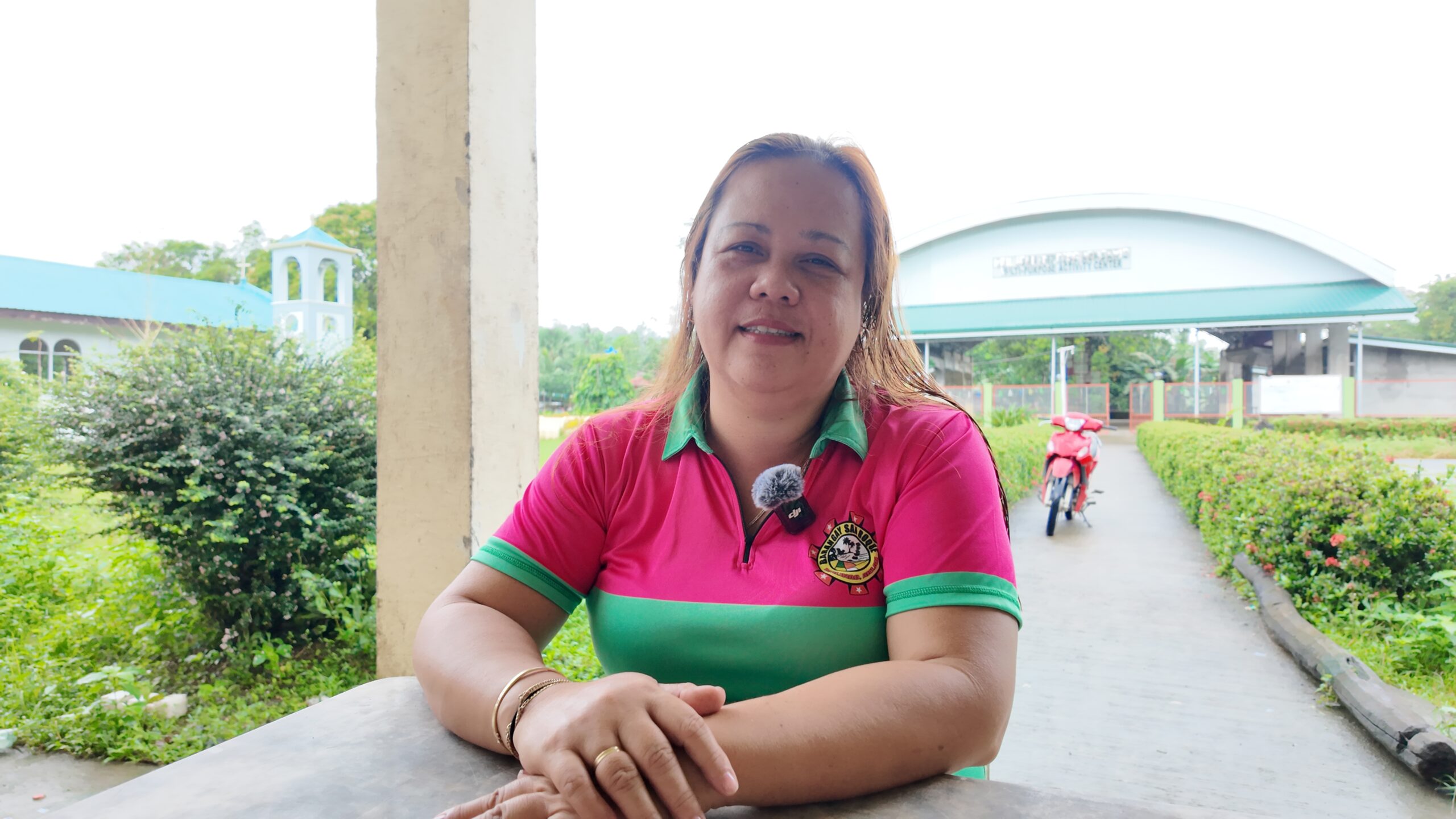
Alongside the testimonies of the mothers who benefited from the program, part of the project implementer, Barangay Nutrition Scholar in Barangay San Roque, reflected, “Nagpapasalamat po kami kasi napakalaking tulong po dito sa komunidad namin na mabawasan yung mga undernourished, tapos yung mga stunted na bata. Tapos, yung mga nanay, naging marunong sila na magtanim. Kumbaga, nabawasan yung mga gastusin nila sa pagkain. Hindi na puro lahat ay binibili o hinihingi sa mga kapitbahay.” (We are truly grateful because the program has greatly helped our community reduce cases of undernutrition and stunting among children. Mothers have learned how to grow their own vegetables, which has helped lessen household food expenses. Families no longer need to buy everything or rely on neighbors for food, as they can now harvest from their own gardens.)
Another Barangay Nutrition Scholar in Barangay Lilo-an shared, “Salamat kasi napunta kayo dito sa community namin. Natulungan yung mga underweight, yung mga stunted, yung mga mothers and mga pregnant women namin na nakareceive ng benefits tapos supplements galing sa inyo, gatas saka iyong Mingo meals. Salamat sana, marami pa kayong matulungan pang mga nangangailangan.”
These stories of mothers, children, and community health workers reflect how this initiative changed what seemed a challenge into a stronger foundation for improved nutrition and well-being. Malinao is building a future where health and hope flourish together.
For more updates on the nutrition project and other health and wellness initiatives, follow the Health Futures Foundation, Inc. Facebook Page.
Written by: Patrizia Elise P. Kahanding, RND, LPT